
DEEP PLANE FACELIFTEki 27, 2026
ASSOC. PROF. DR. EMINE DEMIR · FACIAL SURGEON, ISTANBUL
Lifted from beneath, never pulled. The deep layers of the face and neck are released and repositioned as one unit, so the result looks rested — not operated on. For patients travelling from the UK, US, Canada, Australia and Europe, every step in Istanbul is planned before you fly.
TREATMENTS
The deep plane facelift is the centre of the practice. The other four are planned around it — alone, or together when the face needs it.
All treatments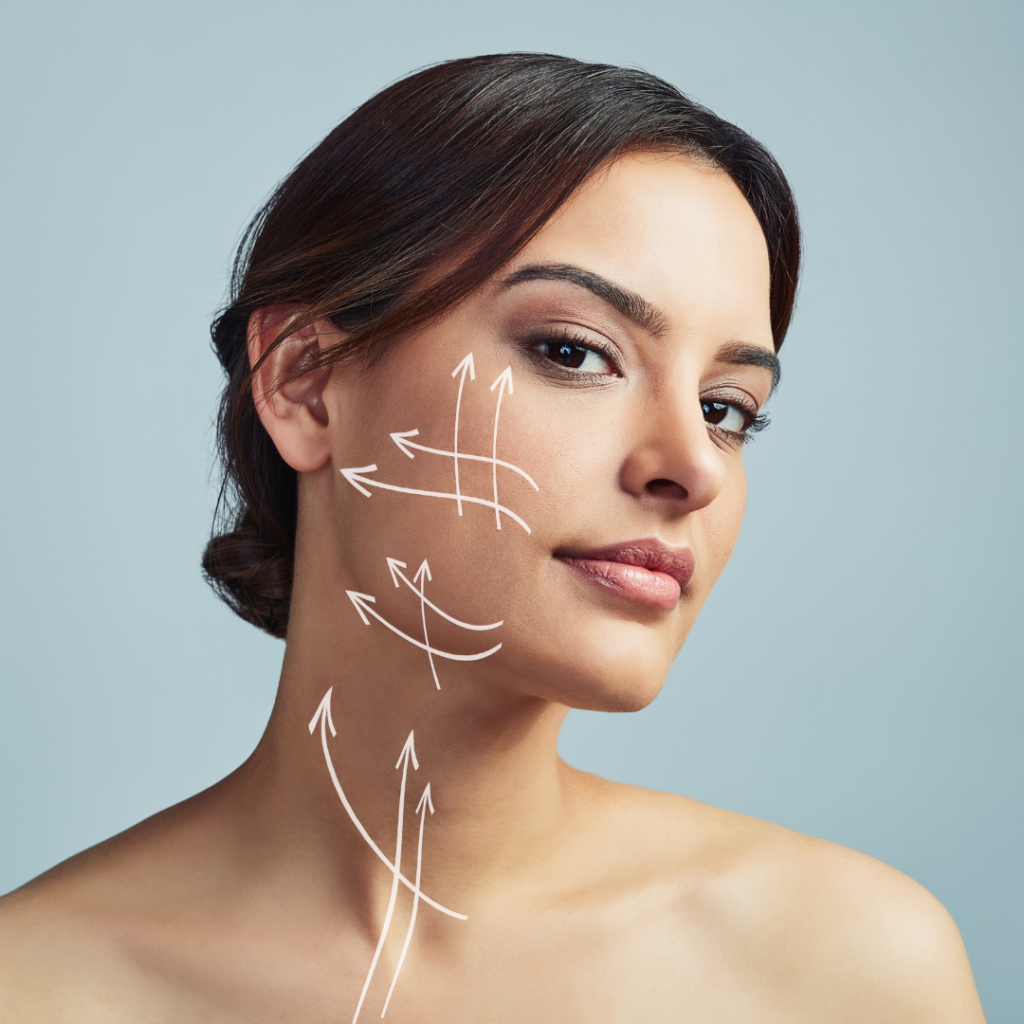
The ligaments that hold the cheek and jowl down are released, and skin, fat and the SMAS layer are lifted together as one unit. Nothing is pulled tight on the surface, so the face looks rested and remains recognizably yours.
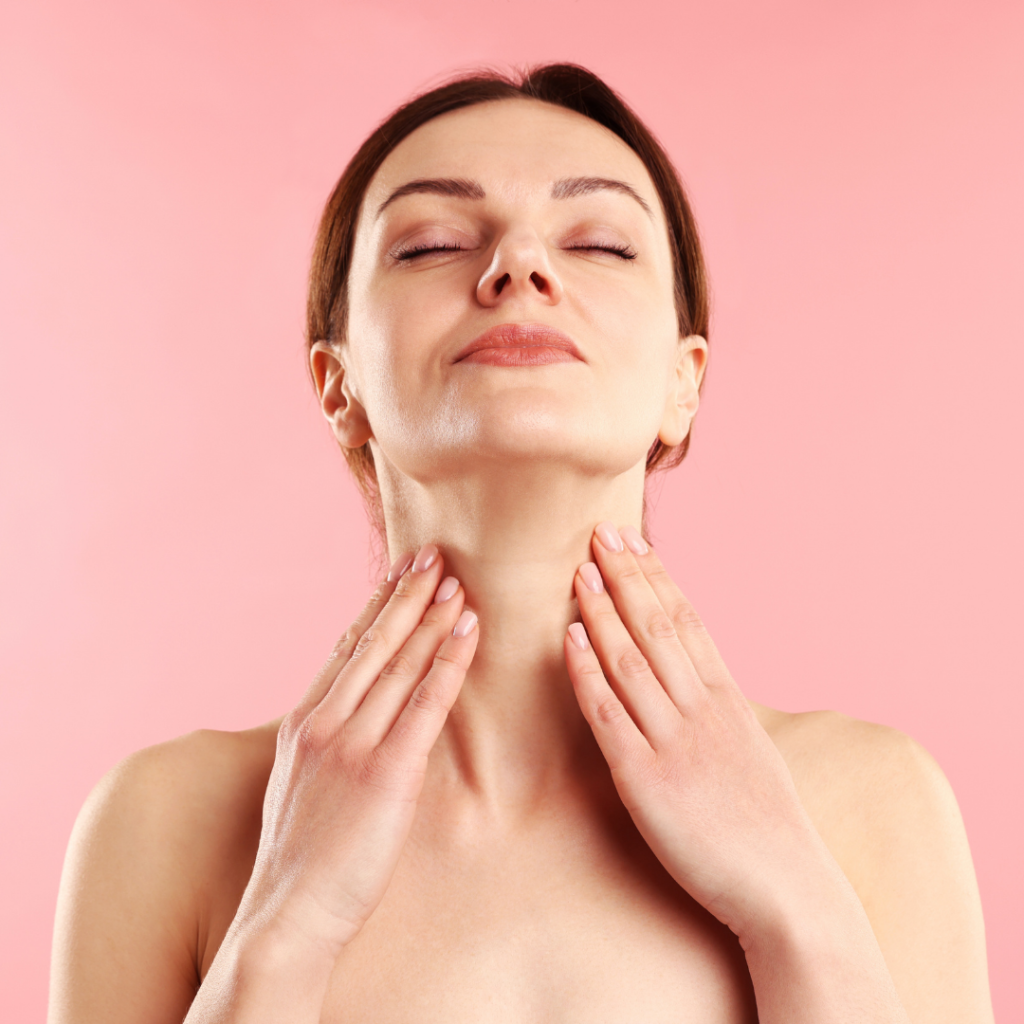
Restores a defined jawline and a firmer neck contour, planned together with the midface so the profile stays in balance from cheek to collarbone.
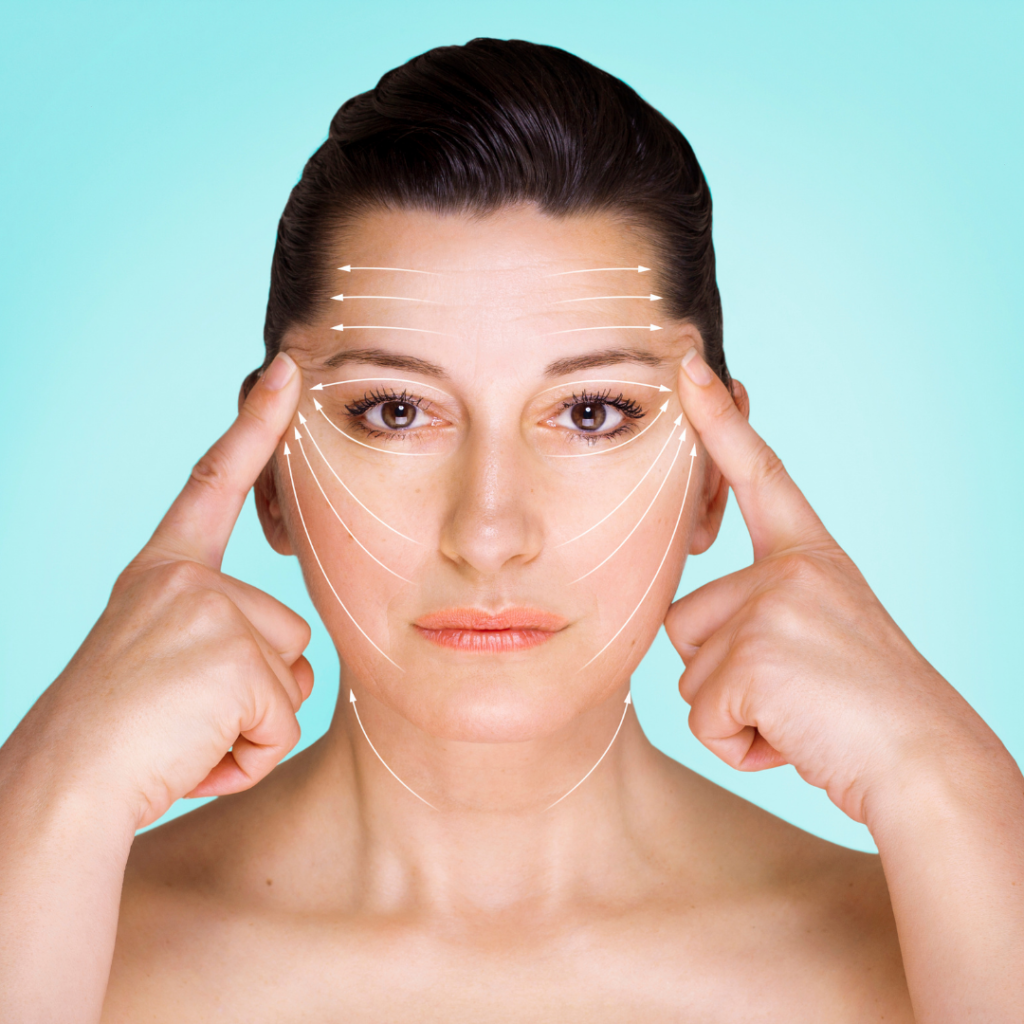
Gently raises the outer brow and its tail through small incisions in the hairline, opening a heavy or tired upper third of the face.
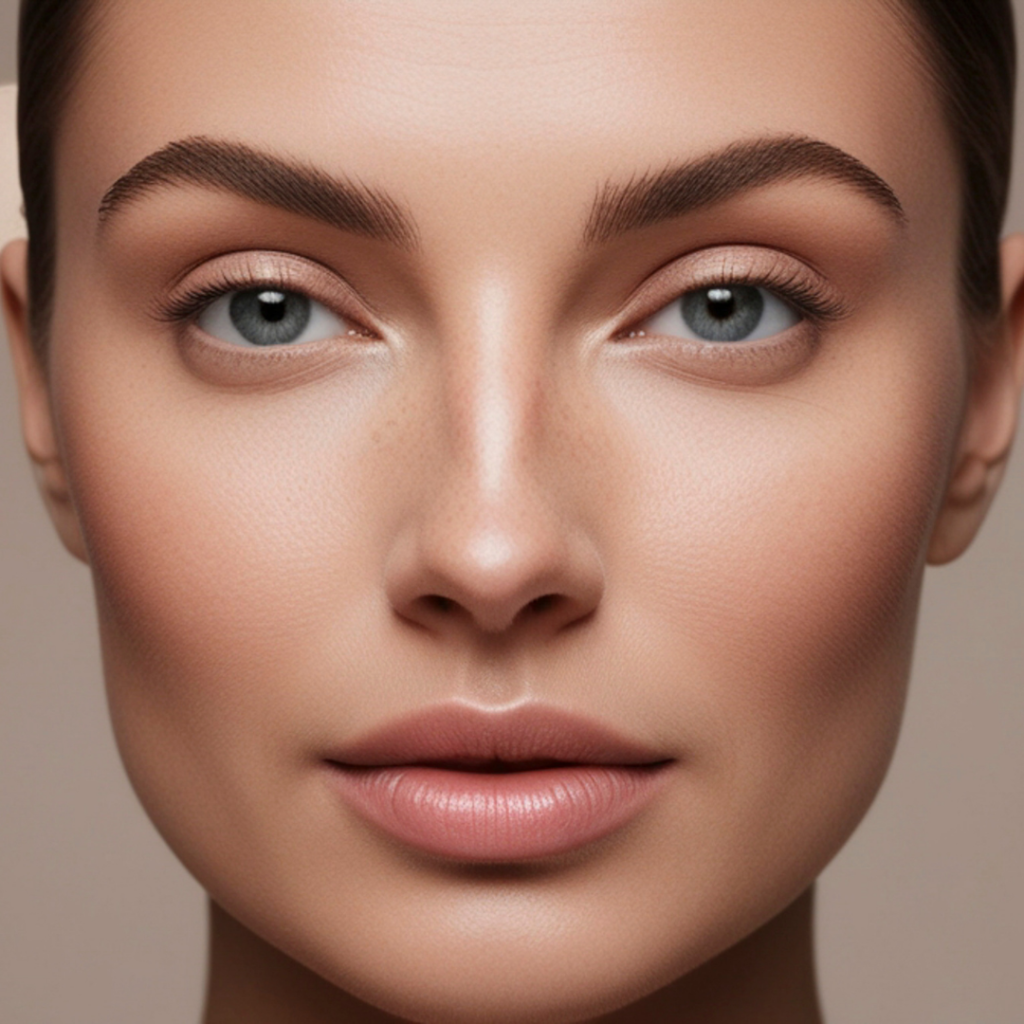
Subtly lifts the outer corner of the eye for an almond-shaped gaze, in proportion with the brow and the rest of the face.
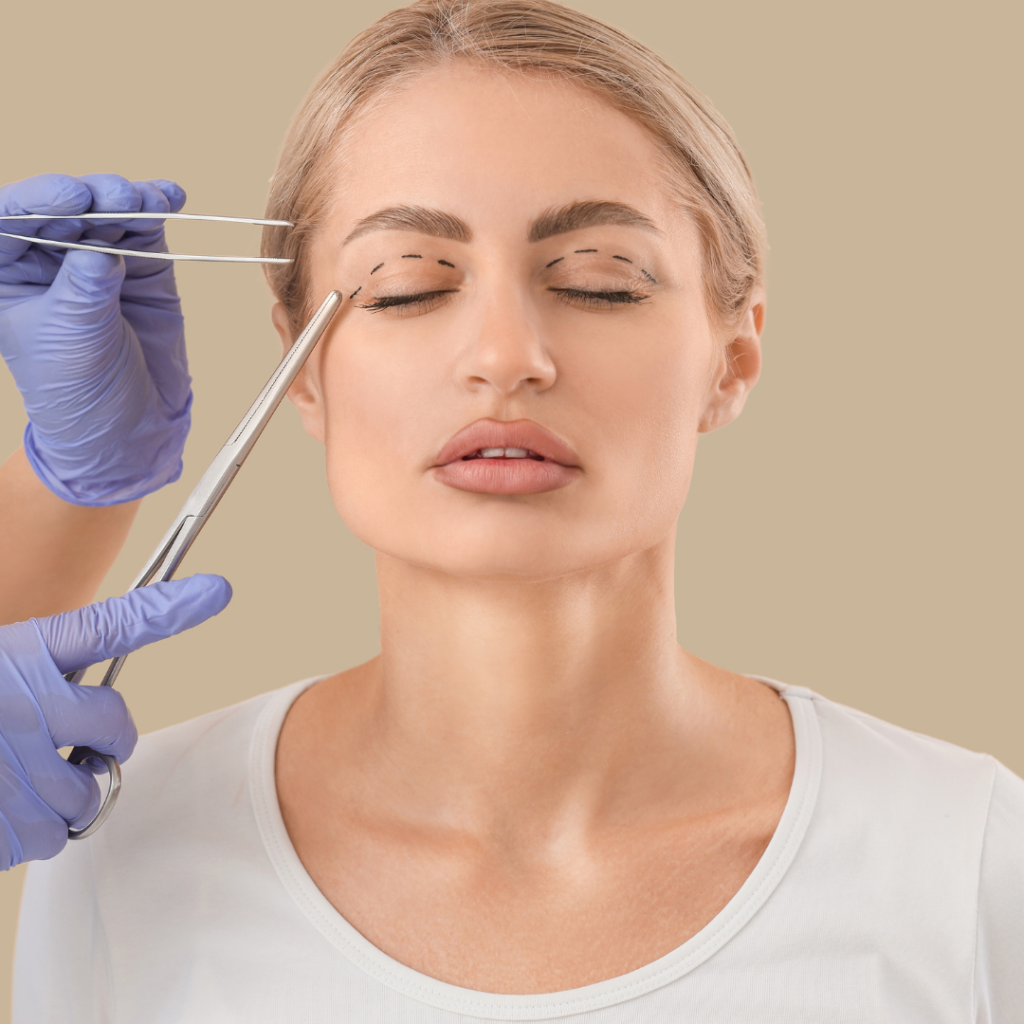
Removes excess upper-eyelid skin and corrects under-eye bags, for a brighter, more awake expression without changing the shape of the eye.
THE TECHNIQUE
Short answer: a deep plane facelift lifts the face from beneath the SMAS, the muscular layer under the skin and fat. The ligaments that tether the cheek and jowl are released, and skin, fat and SMAS move back up together — so nothing is pulled tight on the surface.
A traditional facelift tightens the skin, or the SMAS over unchanged deeper tissue. That is where the stretched, “wind-tunnel” look comes from. In the deep plane, the tissue that has descended is repositioned as one living layer, and the skin closes without tension.
The result is a jawline, cheek and neck that look like your own, years earlier — rested rather than operated on.
Traditional lift. The skin is lifted off the fat and pulled sideways. The ligaments stay attached underneath, so the deeper tissue barely moves — and the tension sits in the skin.
Deep plane. The retaining ligaments are released beneath the SMAS, and skin, fat and SMAS rise together as one layer — vertically, without tension on the skin.
PLANE OF DISSECTIONAT A GLANCE — DEEP PLANE FACELIFT
Typical ranges. Your own plan — and whether a deep plane facelift suits you — is set after your assessment.
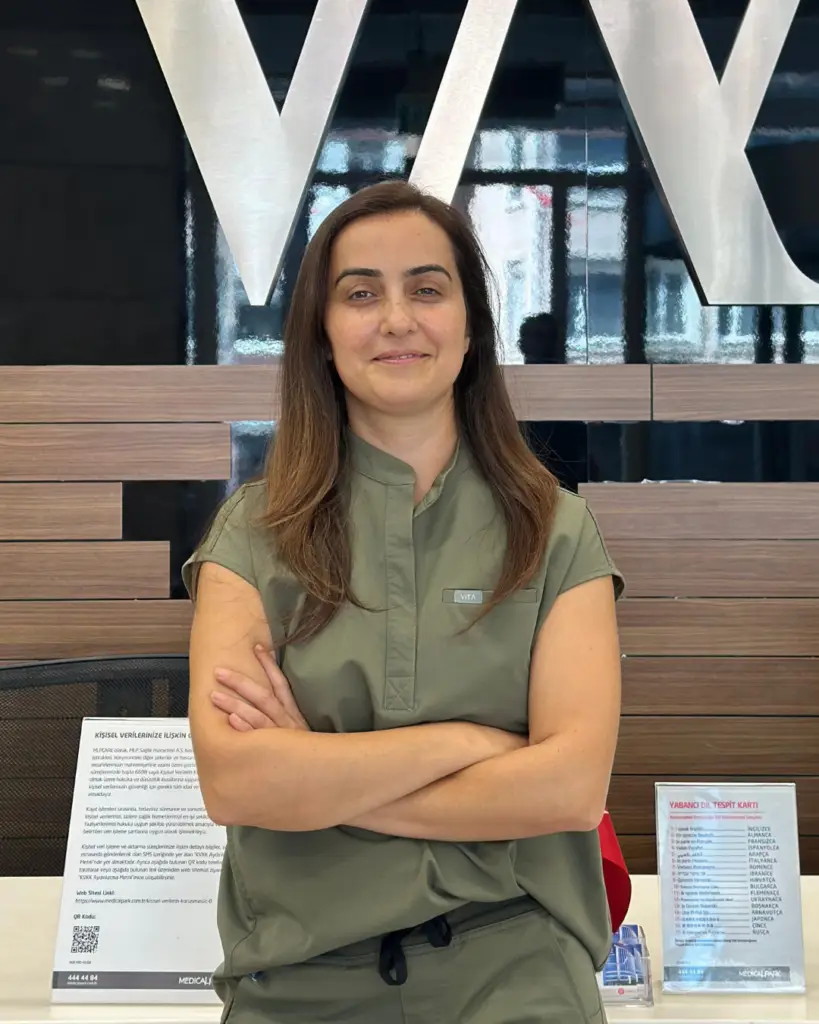
YOUR SURGEON
OTORHINOLARYNGOLOGIST (ENT) · FACIAL AESTHETIC SURGERY
Dr. Demir’s practice is focused exclusively on facial aesthetic surgery. Facelift, neck lift and endoscopic facial rejuvenation are part of her daily surgical work — which is how each technique is refined and tailored to the anatomy of the person in front of her.
Her aim is facial harmony that keeps your individuality: you should look like yourself on a good day, years earlier — not like someone who has had surgery.
“Precision, natural results and long-term patient satisfaction are the highest priorities.”
ASSOC. PROF. DR. EMINE DEMIR
BEFORE & AFTER
Individual results from Dr. Demir’s practice. Every face starts from a different point.




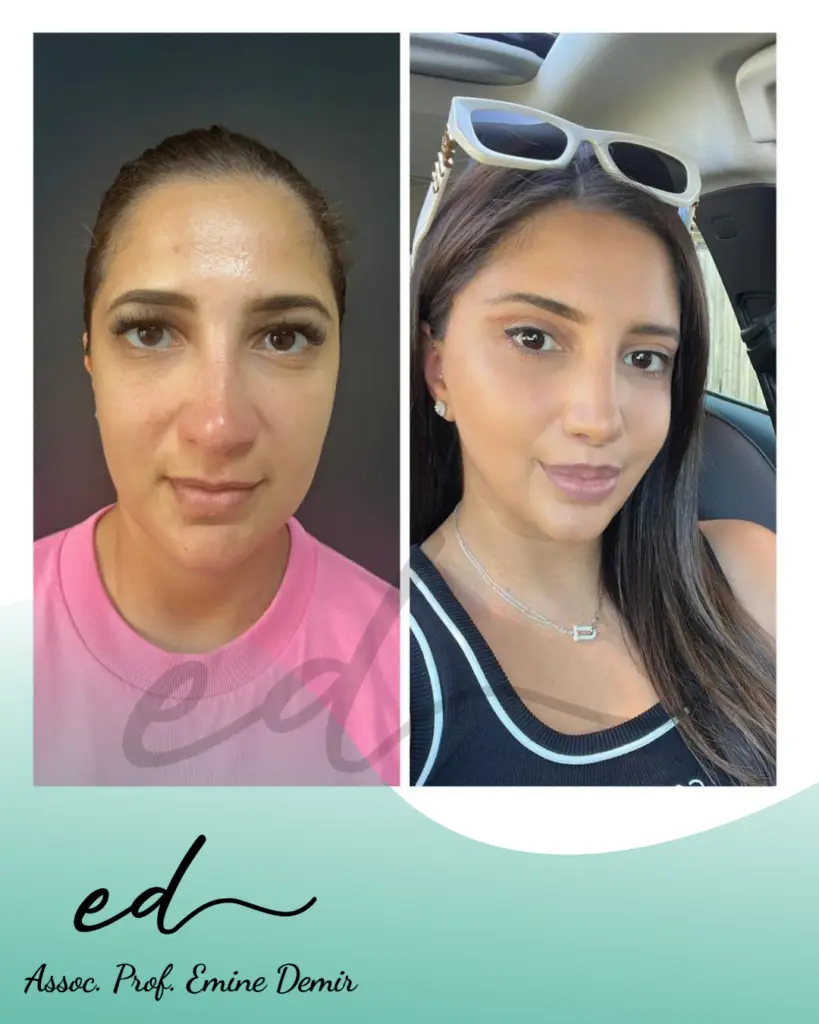
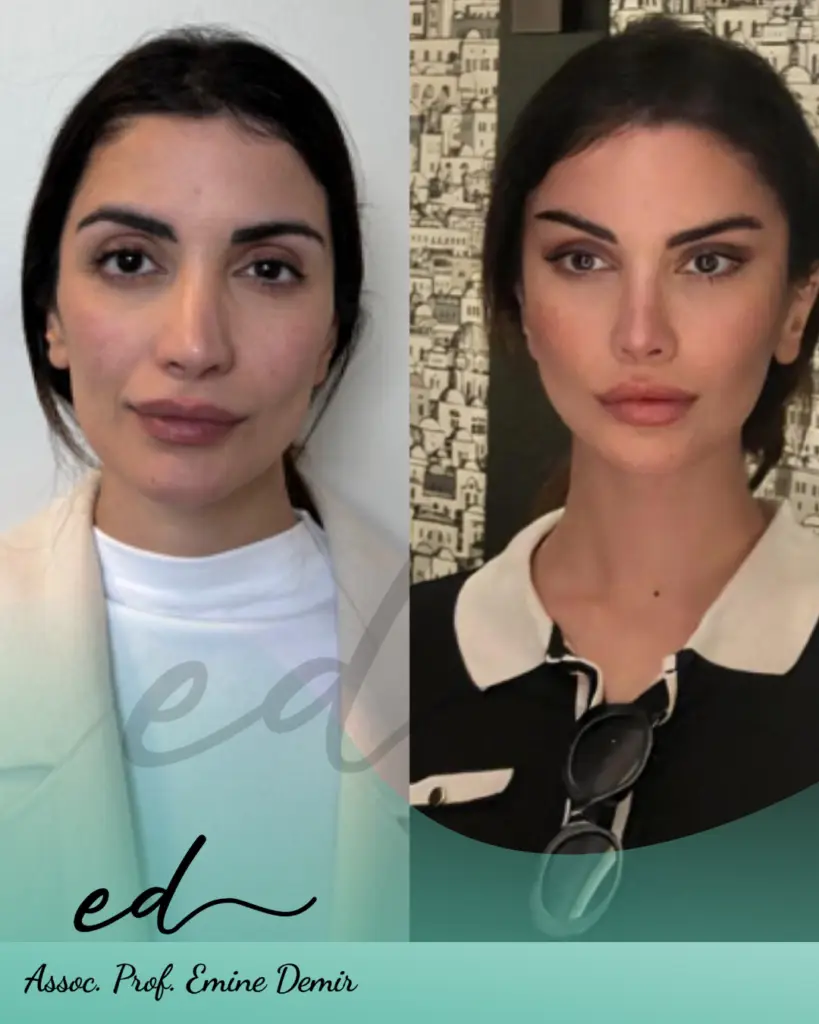

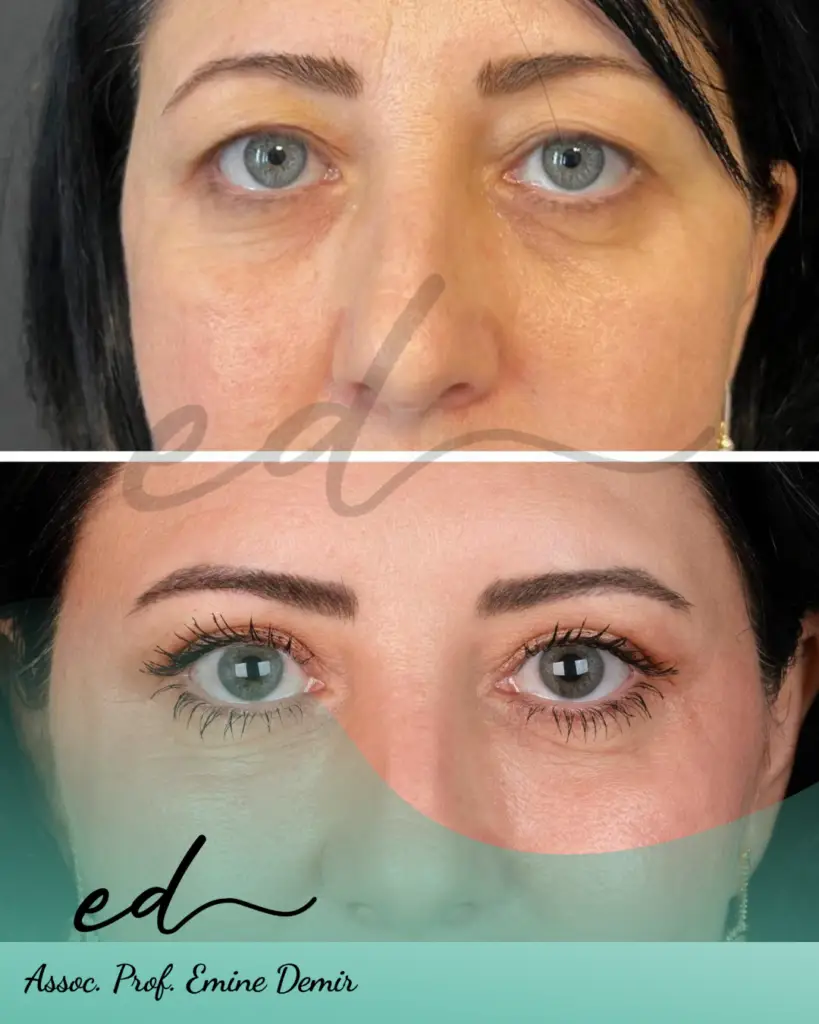
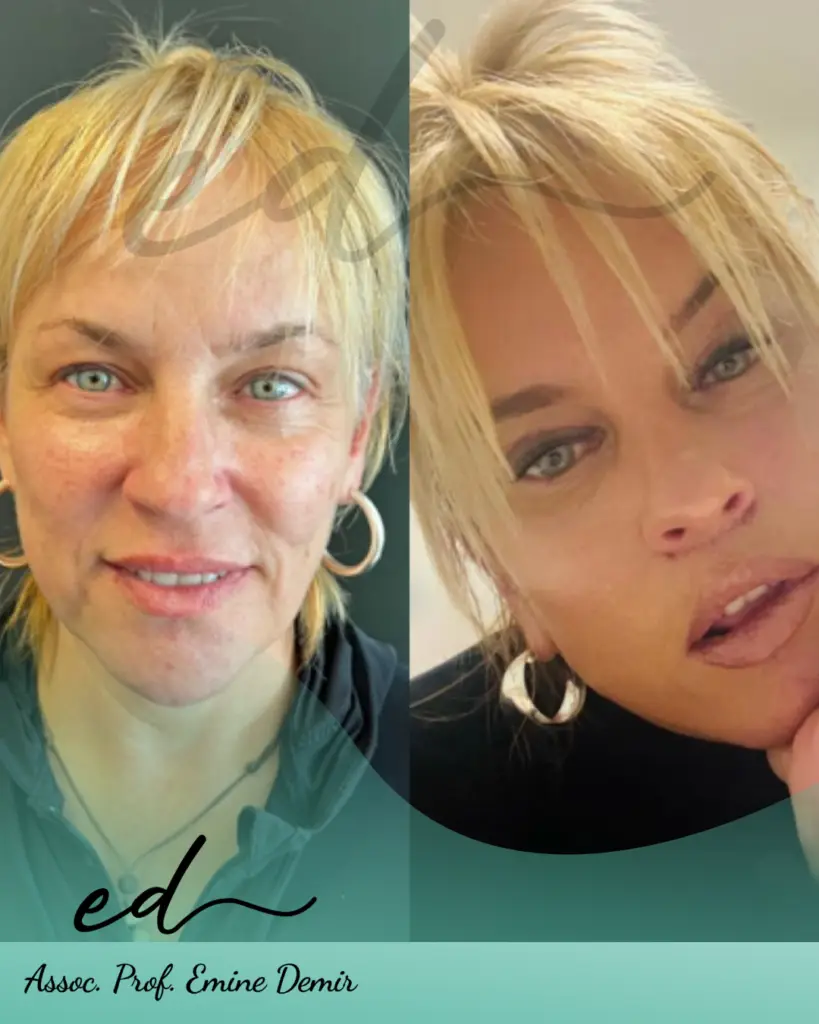
Results vary from person to person. These photographs show individual outcomes and are not a promise of a similar result. Every surgical procedure carries risks; please seek a detailed medical opinion before any procedure.
HOW IT WORKS
No quote is given before your face has been assessed. Every plan is individual — and not everyone is a candidate. If surgery is not right for you, you will be told.
Three to five photos — front, both sides and both three-quarter views — by WhatsApp or email, with a short health history.
Your photos are assessed to see whether surgery is suitable for you, and which procedure fits your anatomy.
You receive your own photos, marked with the proposed plan — so you see what would be done, and why.
Only then: your personal quote and possible dates in Istanbul. A video consultation can be arranged to go through it together.
YOUR STAY IN ISTANBUL
You know the day of your consultation, your surgery and your flight home before you book. A coordinator who speaks your language is with you from arrival to follow-up.
Airport transfer to your hotel. Rest, and a call from your coordinator.
In-person examination with Dr. Demir, final plan, pre-operative tests.
At Memorial Bahçelievler Hospital, under general anesthesia, with an overnight stay as planned.
Dressing change and review before you return to your hotel.
Quiet days, head elevated. Your coordinator stays in touch daily.
Sutures are usually removed around day 10.
Review with Dr. Demir and your aftercare plan for home.
Follow-up continues remotely, by photos and video calls.
A typical plan for a deep plane facelift. Your own dates — and the number of nights in hospital — are confirmed with your marked plan.
FROM THE BLOG
Reviewed by Dr. Demir: how the technique works, what recovery is really like, and what the published evidence says.
All articlesDEEP PLANE FACELIFTEki 27, 2026

DEEP PLANE FACELIFTEki 20, 2026

DEEP PLANE FACELIFTEki 6, 2026
QUESTIONS
The questions international patients ask first. Anything else — write to the team on WhatsApp and you will get a personal answer.
Ask on WhatsAppThere is no fixed price. Dr. Demir quotes only after your photos have been assessed and your plan is marked, because the cost depends on what your face needs: face alone or face and neck, any combined procedures such as eyelids or temporal lift, the length of your hospital stay and your travel arrangements. Your personal quote comes with your marked plan.
Most international patients plan around 10 to 14 days. Sutures are usually removed around day 10, and you fly home after your final check. Your exact dates are set with your plan.
Every operation carries risks, including bleeding (hematoma), infection, scarring and changes in facial nerve function, which are usually temporary. Surgery is performed under general anesthesia at Memorial Bahçelievler Hospital, after pre-operative tests. Your own risks are discussed openly at your consultation, before you decide.
Most candidates are between 40 and 60, but the deciding factor is anatomy: laxity of the lower face and neck, jowls and loss of jawline definition. Suitability is assessed individually from your photos and health history. Not everyone is a candidate, and you will be told if surgery is not right for you.
Swelling and tightness are strongest in the first week. Sutures usually come out around day 10, and most patients return to work and social life within 10 to 14 days. The result keeps refining over several months as swelling settles.
Incisions are placed in the natural creases around the ear and along the hairline. They fade over months; how visible they become depends on your skin and healing, which is discussed at your consultation.
Because the deeper layers are repositioned rather than the skin being tightened, the lift is long-lasting. Your face continues to age naturally, at its own pace, from its new starting point.
VIDEO CONSULTATION
Send a few photos and your questions. Dr. Demir assesses your face first; your plan, dates and personal quote follow from that.